Friday, 3 July 2015

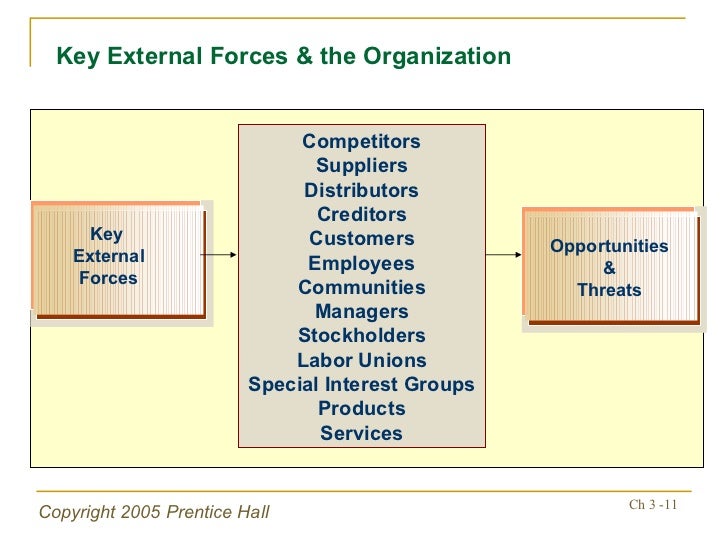
The External Assessment
An audit of management performance with regard to external strategies helps you identify problem areas and lets you correct strategic approaches that are not effective.

An assessment of the external environment shows you where change has happened and where your strategic management no longer matches the demands of the marketplace. You can improve business performance by periodically conducting such an audit.

Guidelines for an external audit to ensure quality assurance specify the policies and procedures associated with assessing and verifying the reported data. In contrast, internal audit guidelines describe how to collect, manage and report the data. 

Additionally, these external guidelines examine the underlying systems. Guidelines for an external audit instruct auditors on how to assess a company's current performance and ability to reliably meet quality criteria. Quality management professionals execute financial statement, compliance or operational audits to help companies manage risk, control quality and limit legal liability. 


External auditors don't work for the companies they audit and must bring any indications of fraud to the company manager's attention.



Internal auditing is an independent, objective assurance and consulting activity designed to add value and improve an organization's operations. 

It helps an organization accomplish its objectives by bringing a systematic, disciplined approach to evaluate and improve the effectiveness of risk management, control, and governance processes.

Internal auditing is a catalyst for improving an organization's governance, risk management and management controls by providing insight and recommendations based on analyses and assessments of data and business processes. 

With commitment to integrity and accountability, internal auditing provides value to governing bodies and senior management as an objective source of independent advice.


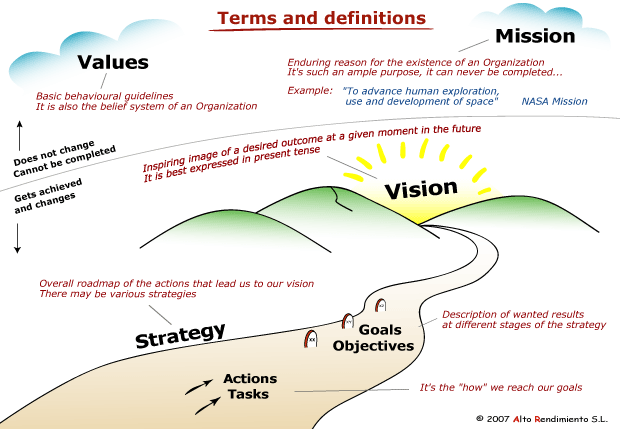
Strategic management is the comprehensive collection of ongoing activities and processes that organizations use to systematically coordinate and align resources and actions with mission, vision and strategy throughout an organization. 

Strategic management activities transform the static plan into a system that provides strategic performance feedback to decision making and enables the plan to evolve and grow as requirements and other circumstances change. 

Strategy Execution is basically synonymous with Strategy Management and amounts to the systematic implementation of a strategy.


Businesses vary in formulation and other processes 
The basic components of the models used to analyze strategic management are similar

Strategic management is a process—a flow of information through interrelated stages of analysis toward the achievement of some goal


The strategic management process involves analyzing cross-functional business decisions prior to implementing them. Strategic management typically involves:
  • Analyzing internal and external strengths and weaknesses.
  • Formulating action plans. 
  • Executing action plans.
  • Evaluating to what degree action plans have been successful and making changes when desired results are not being produced.
Strategic management necessitates a commitment to strategic planning, which represents an organization's ability to set goals to determine the decisions and actions that need to be taken to produce those results.


Others Term commonlty used:

Competitive advantage 
anything that a firm does especially well compared to rival firms

Strategists 
the individuals who are most responsible for the success or failure of an organization

Vision statement 
answers the question “What do we want to become?”
often considered the first step in strategic planning

Mission statements 
enduring statements of purpose that distinguish one business from other similar firms
identifies the scope of a firm’s operations in product and market terms 
addresses the basic question that faces all strategists: “What is our business?”

External opportunities and external threats 
refer to economic, social, cultural, demographic, environmental, political, legal, governmental, technological, and competitive trends and events that could significantly benefit or harm an organization in the future
Strategic management in this text is used anonymously with the term strategic planning
Sometimes the term strategic management is used to refer to strategy formulation, implementation, and evaluation, with strategic planning referring only to strategy formulation.


Strategic management involves the formulation and implementation of the major goals and initiatives taken by a company's top management on behalf of owners, based on consideration of resources and an assessment of the internal and external environments in which the organization competes

Strategic management provides overall direction to the enterprise and involves specifying the organization's objectives, developing policies and plans designed to achieve these objectives, and then allocating resources to implement the plans. Academics and practicing managers have developed numerous models and frameworks to assist in strategic decision making in the context of complex environments and competitive dynamics.